Call for Papers: Educator-Authored Vernier Experiment Collection on the Green Chemistry Teaching and Learning Community
DEADLINE EXTENDED to November 30th, 2025.
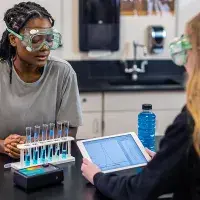
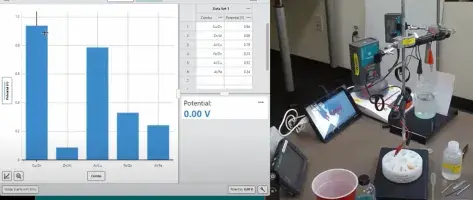
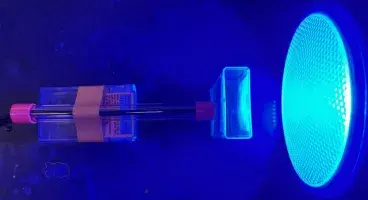
This call invites educators to submit original or adapted lab experiments that promote green chemistry practices and incorporate Vernier technology. The goal is to build a shared collection of innovative, sustainable, and classroom- and lab-ready instructional resources that support environmentally responsible science education across both K–12 and higher education settings.
This initiative responds to a need voiced by educators for more opportunities to share effective, real-world applications of Vernier tools. By contributing, educators will help expand access to high-quality green chemistry resources and support meaningful student engagement through hands-on data collection.
We welcome submissions that showcase green chemistry practices and feature Vernier technology, including:
- Laboratory experiments appropriate for undergraduate chemistry courses, including General Chemistry, Organic Chemistry, and Advanced Chemistry Courses
- K–12 laboratory experiments and in-class activities aligned with NGSS or three-dimensional science standards
- Career and Technical Education (CTE) experiments that promote green chemistry practices
- Peer-reviewed journal articles featuring green chemistry experiments that incorporate Vernier tools (e.g., published in Journal of Chemical Education (JCE) or similar journals)
- Demonstrations, Videos, or Case Studies that showcase experiments in practice
Share your original or adapted educational resource and contribute to the GCTLC’s growing resource library. The call is open from July 10 to Nov 30, 2025. To submit a resource as part of the call for papers, use the GCTLC's online submission form. Never submitted a learning object to the GCTLC? Review the guidelines and examples here.
All submissions will be peer-reviewed, and original work not published elsewhere may be assigned DOIs upon request.